Kaspar Flück
Kaspar Flück
Matter and Apparition
October 17 - …
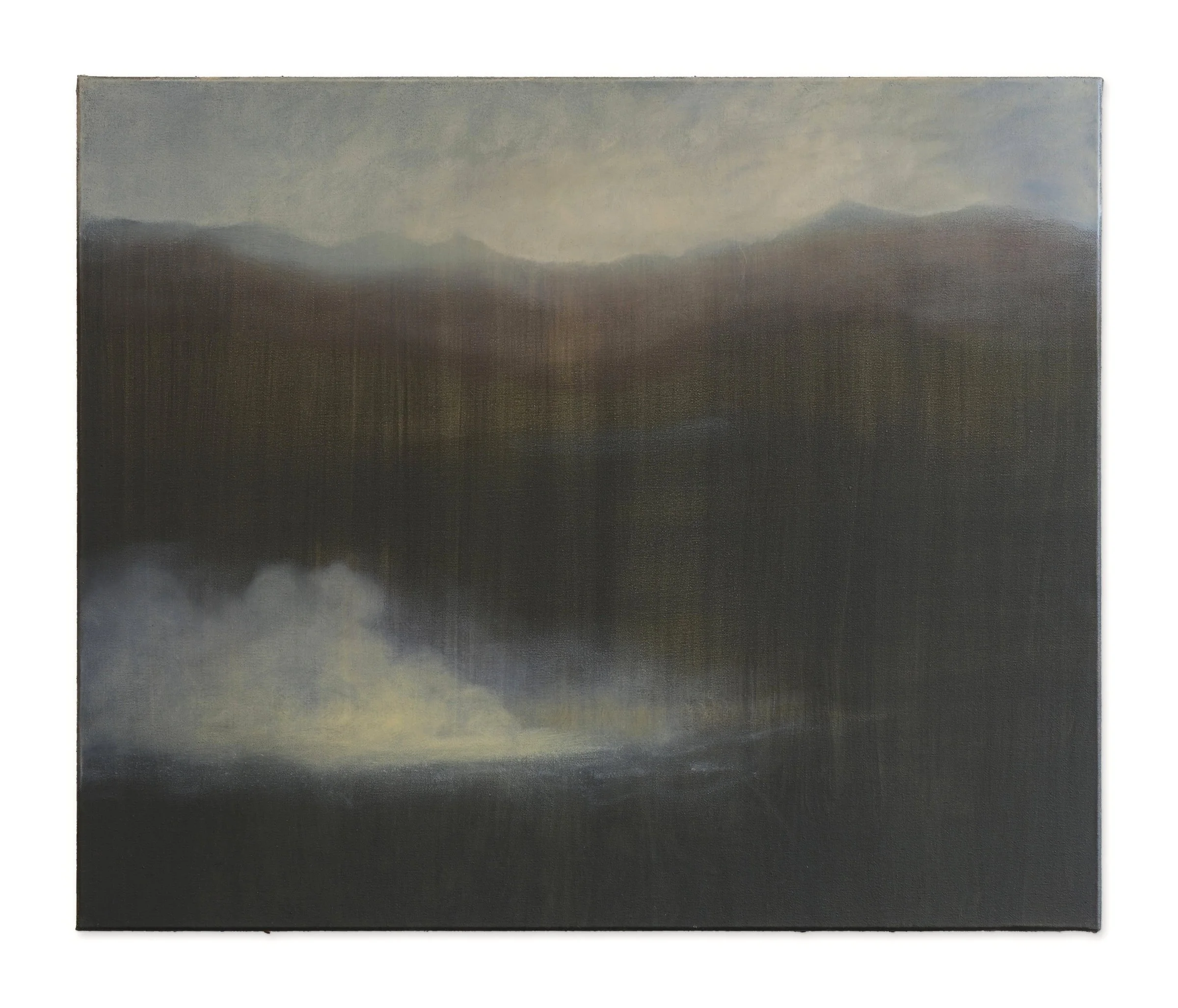
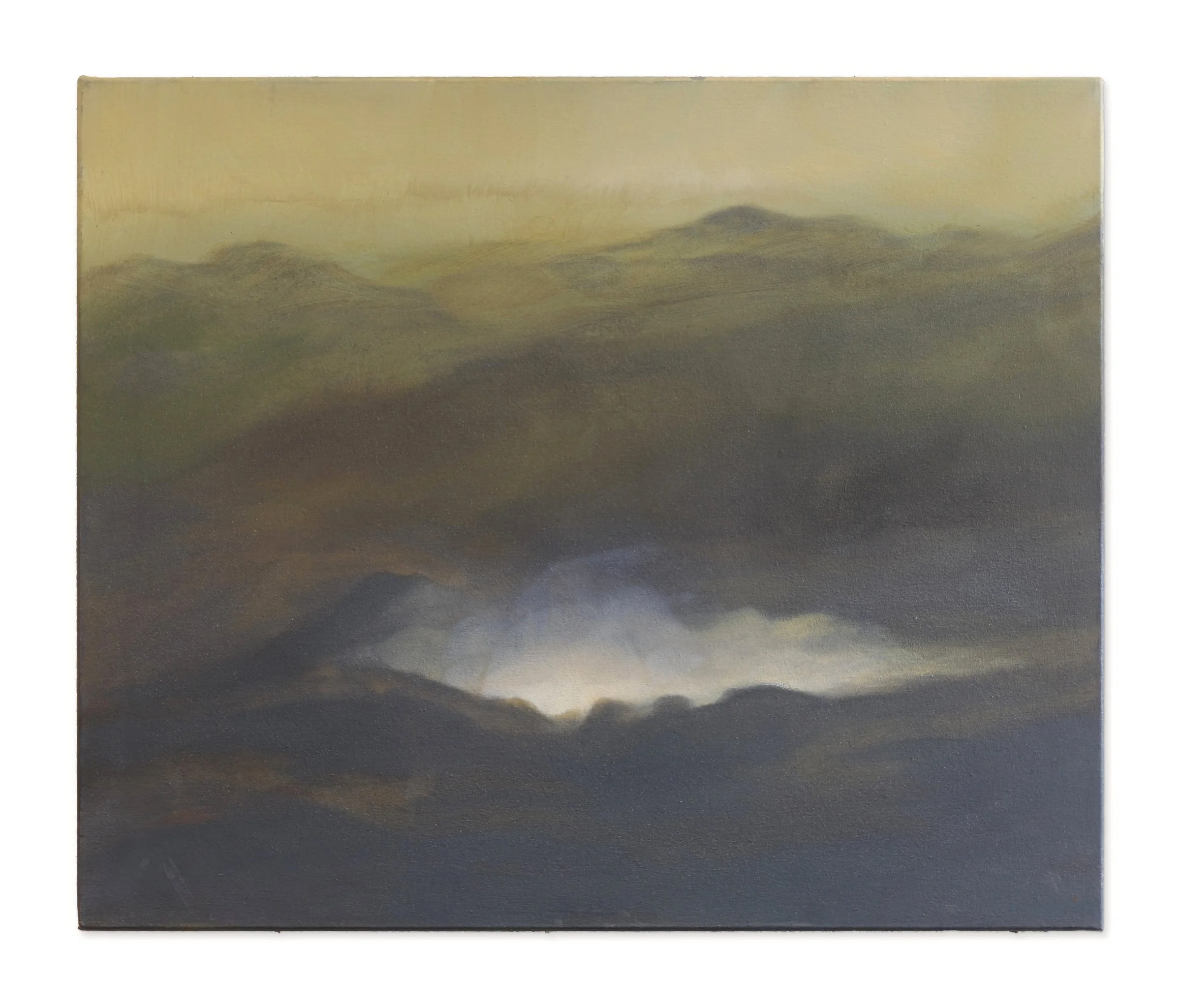
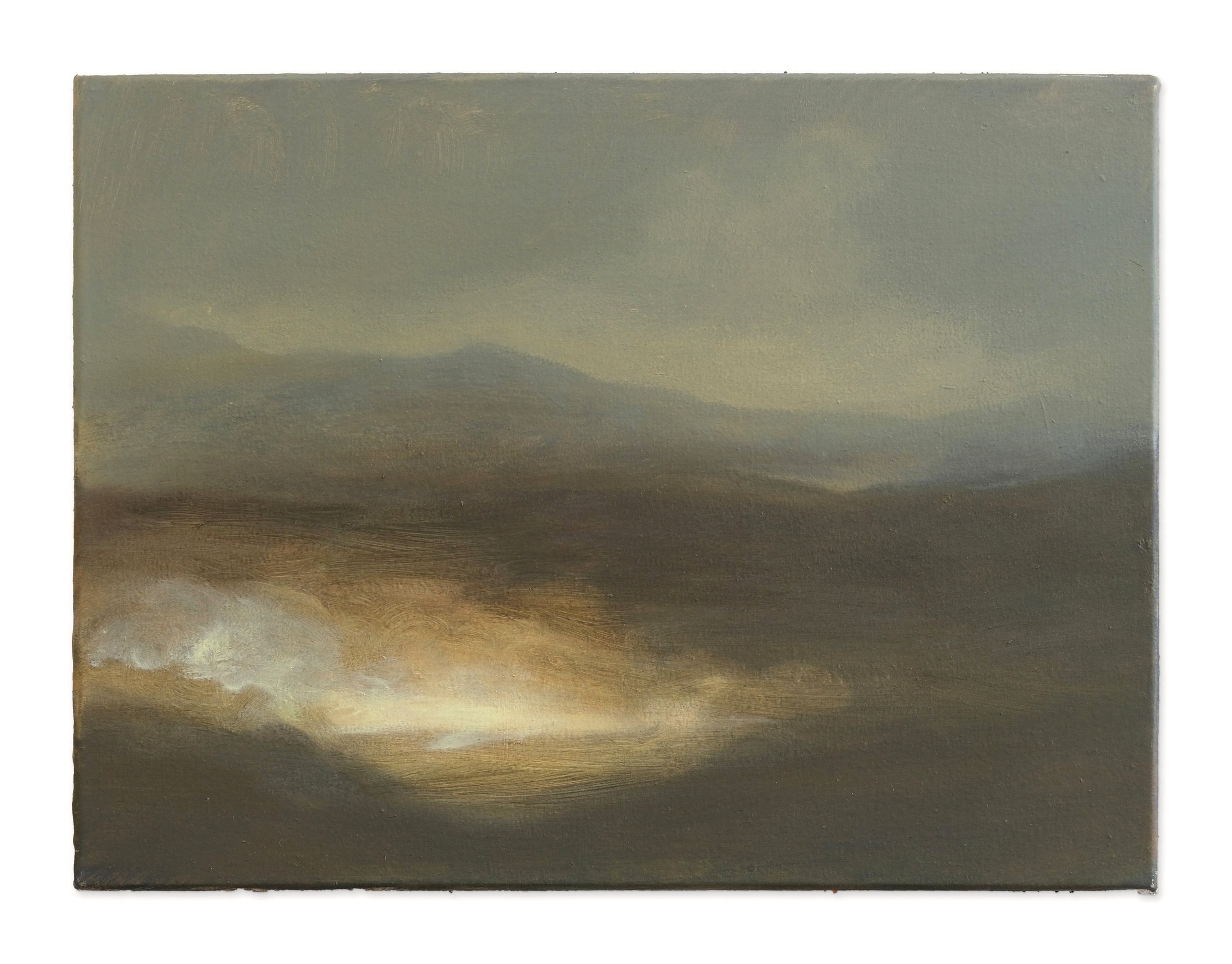
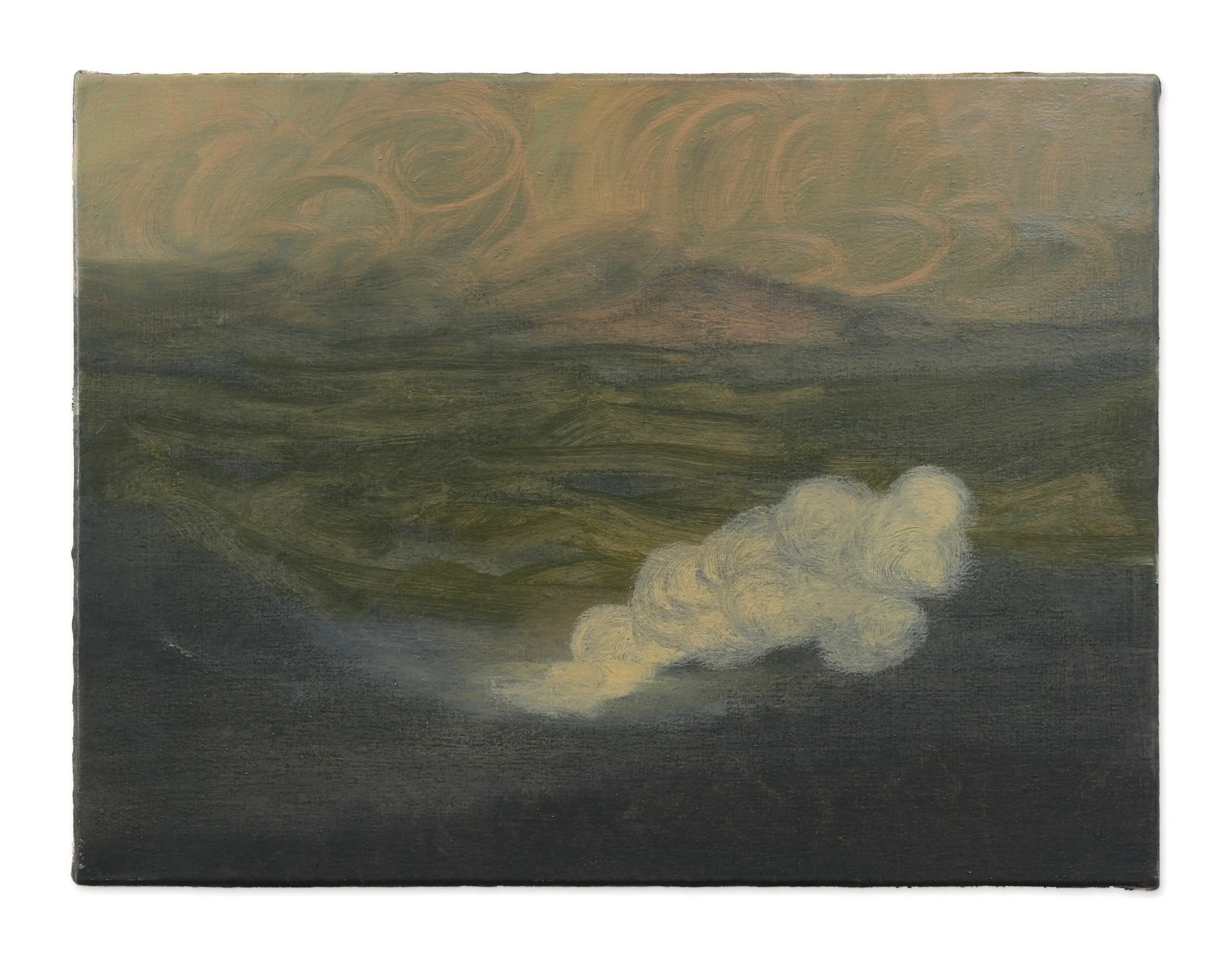
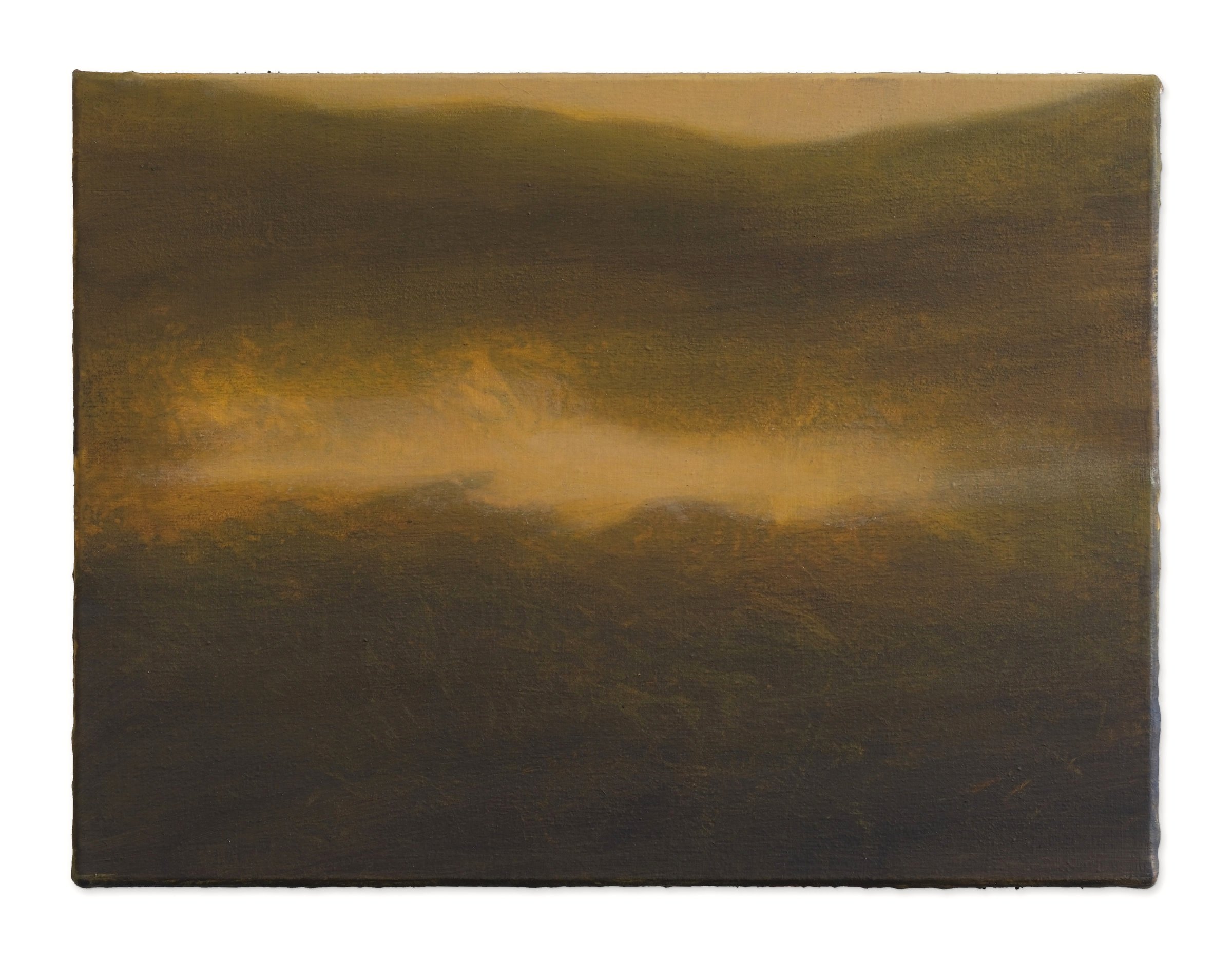
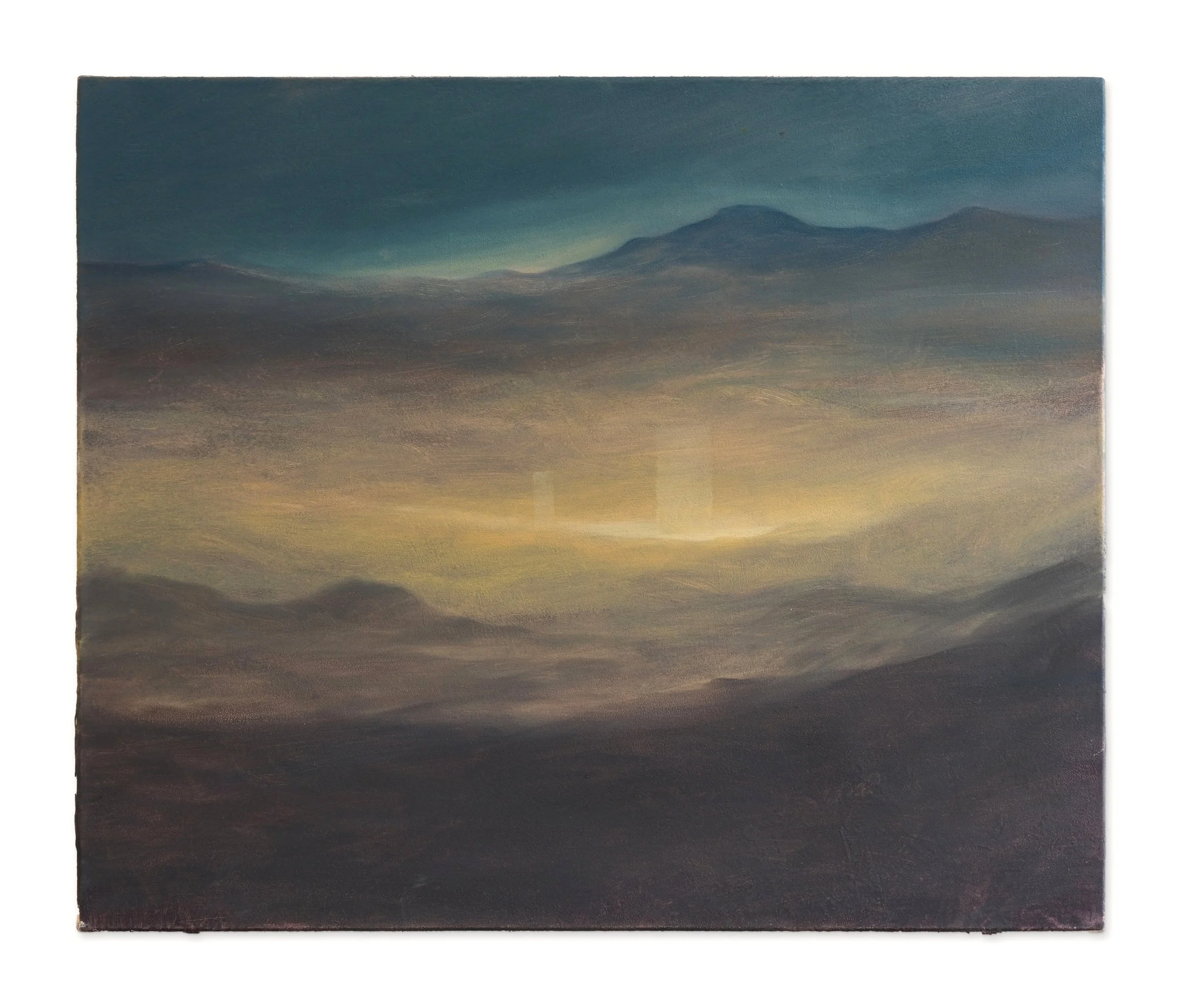
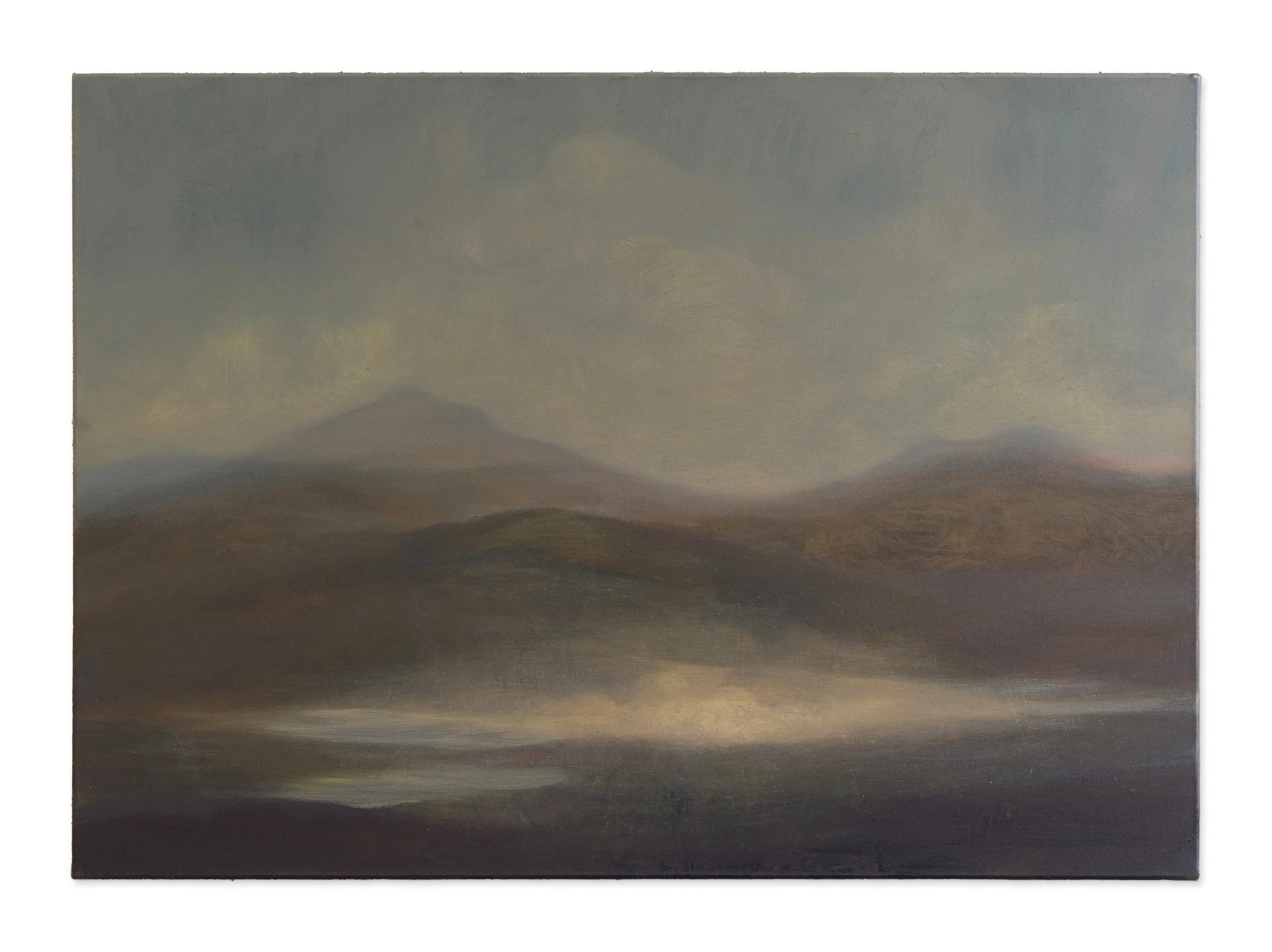
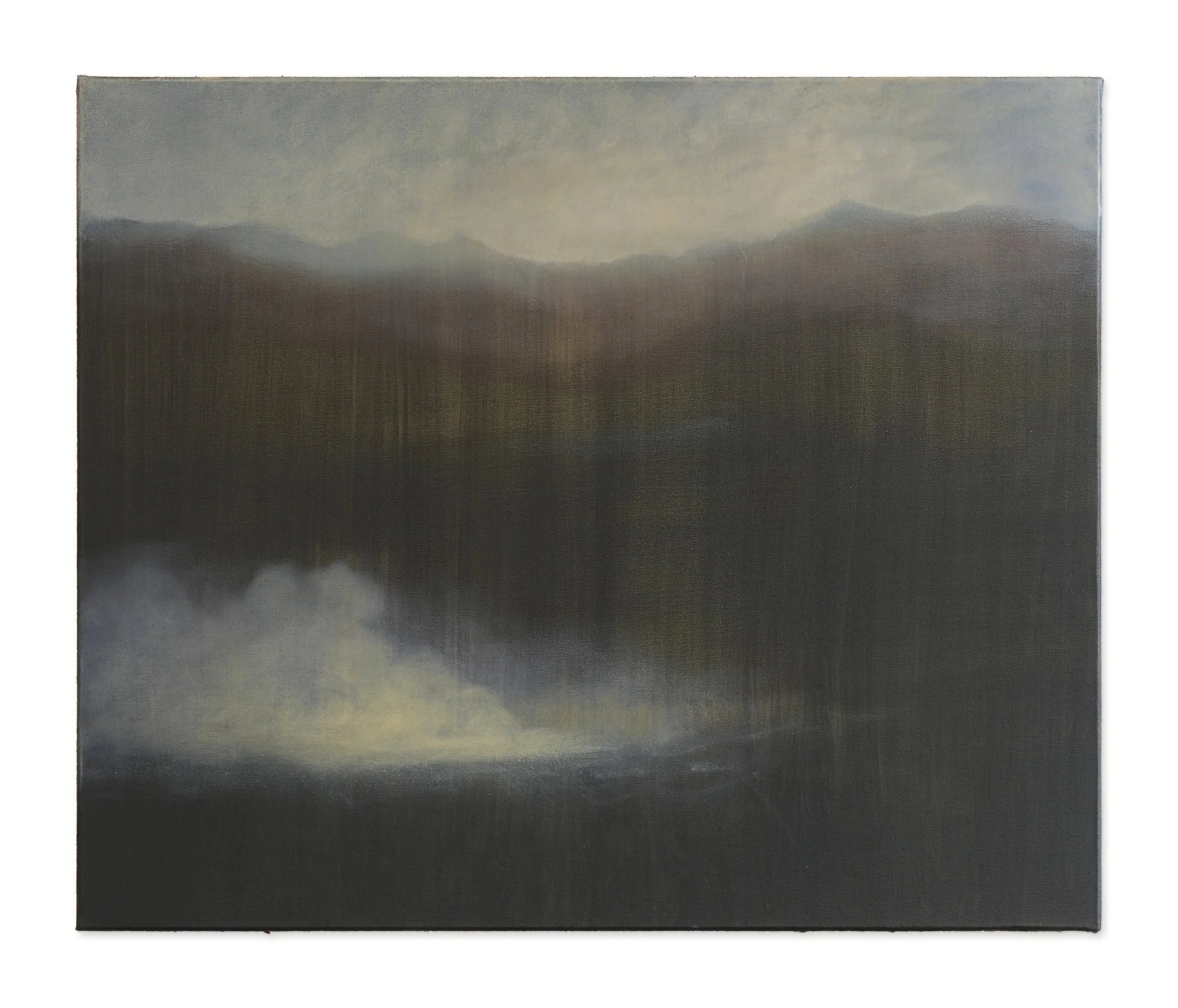
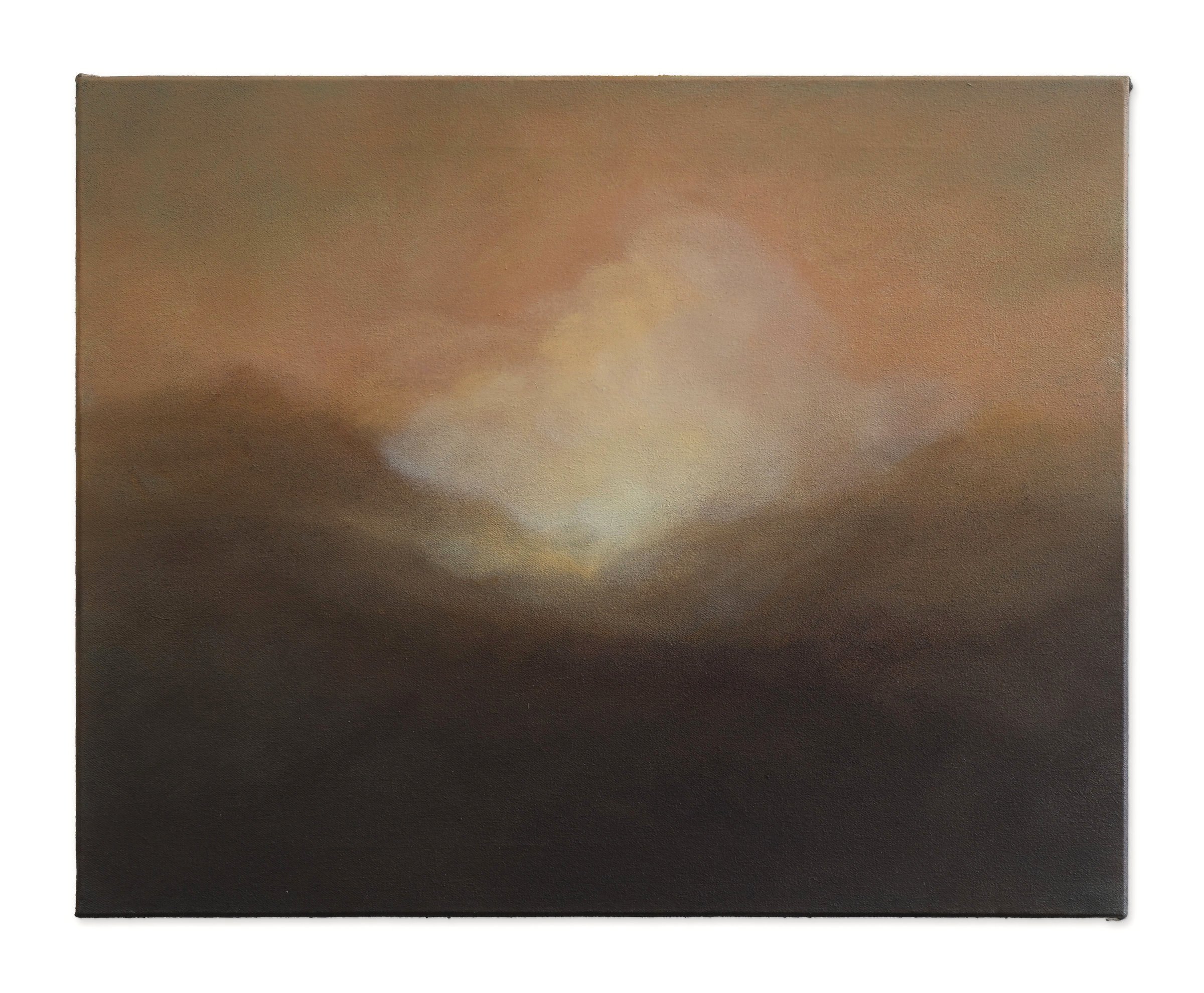
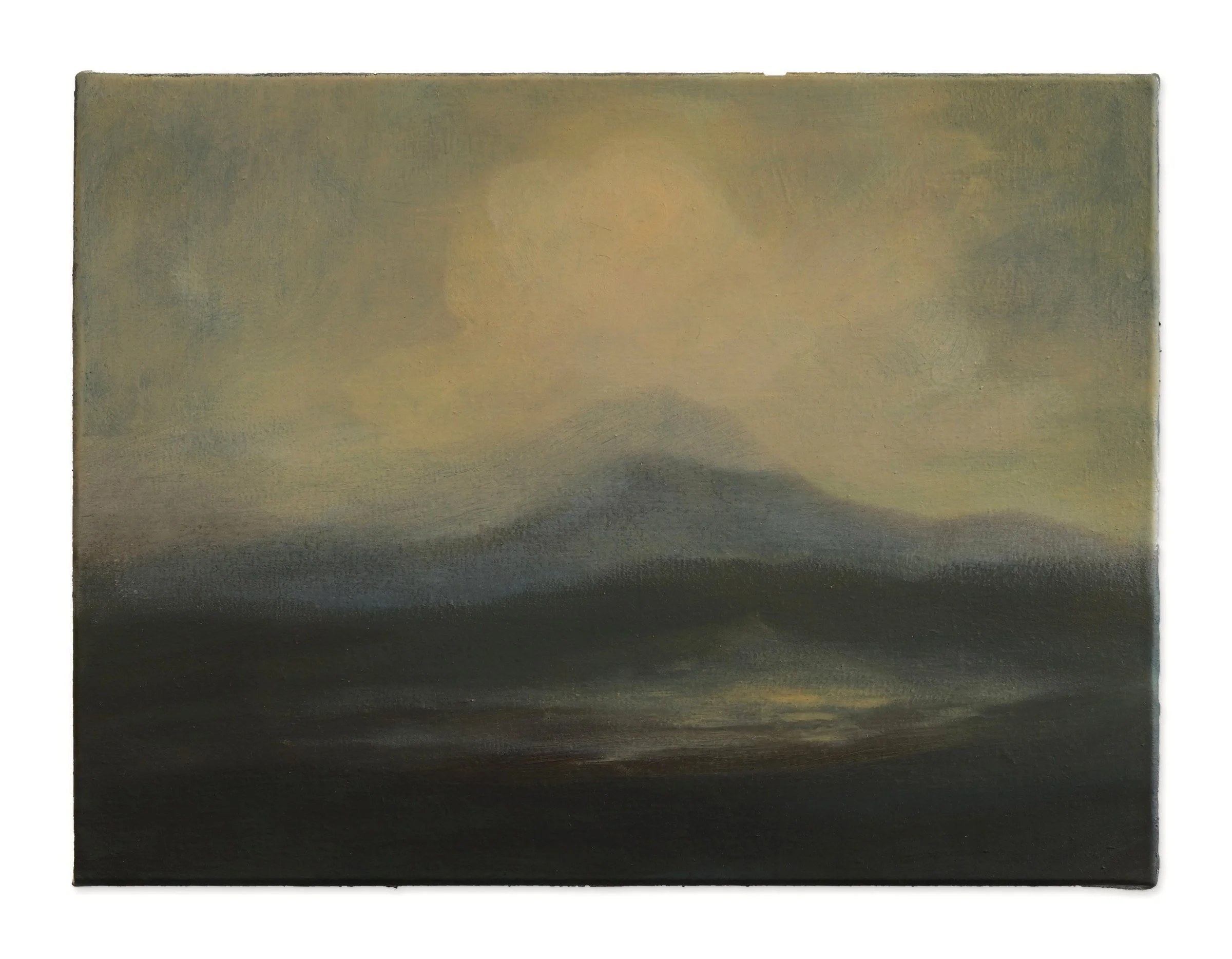
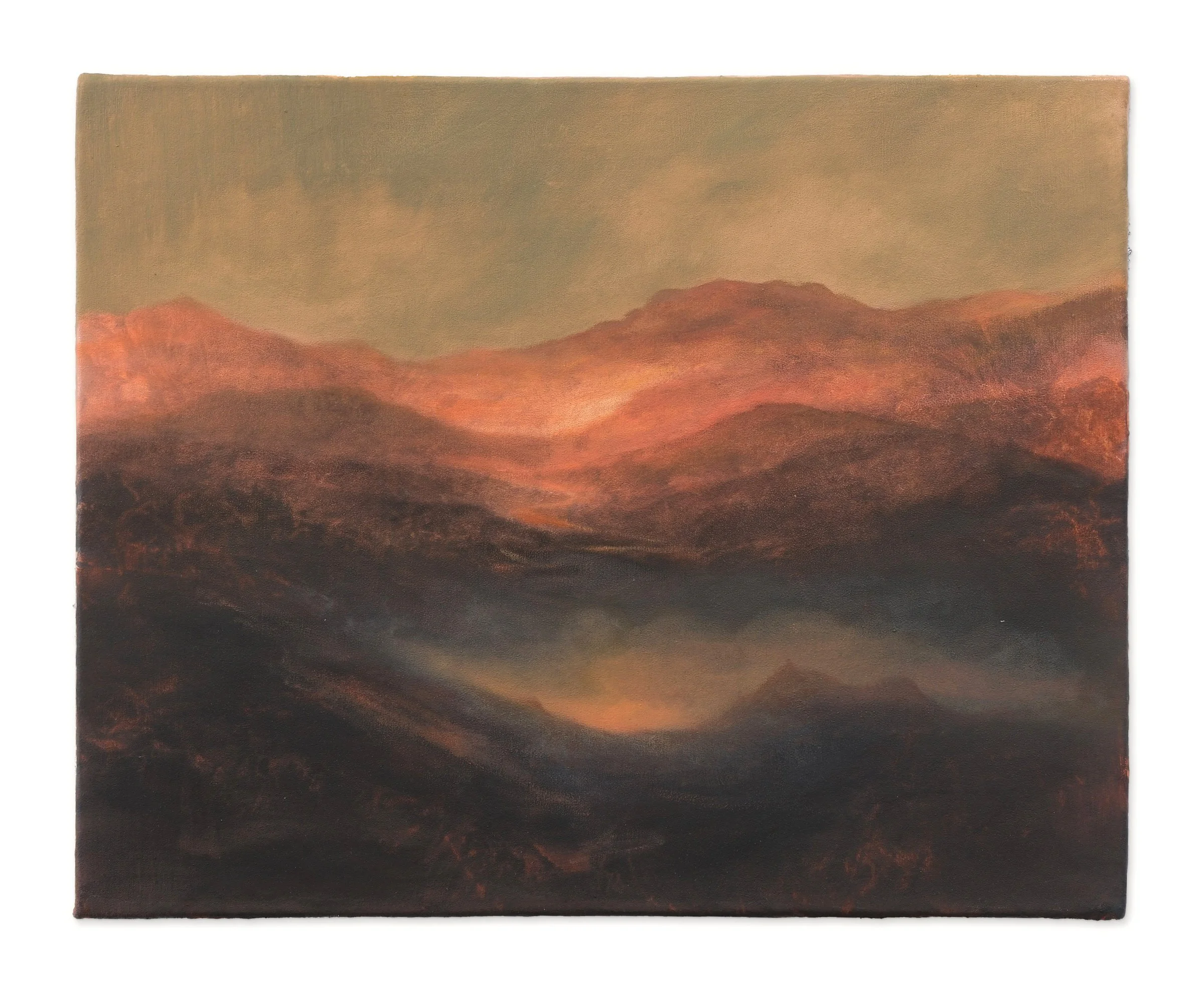
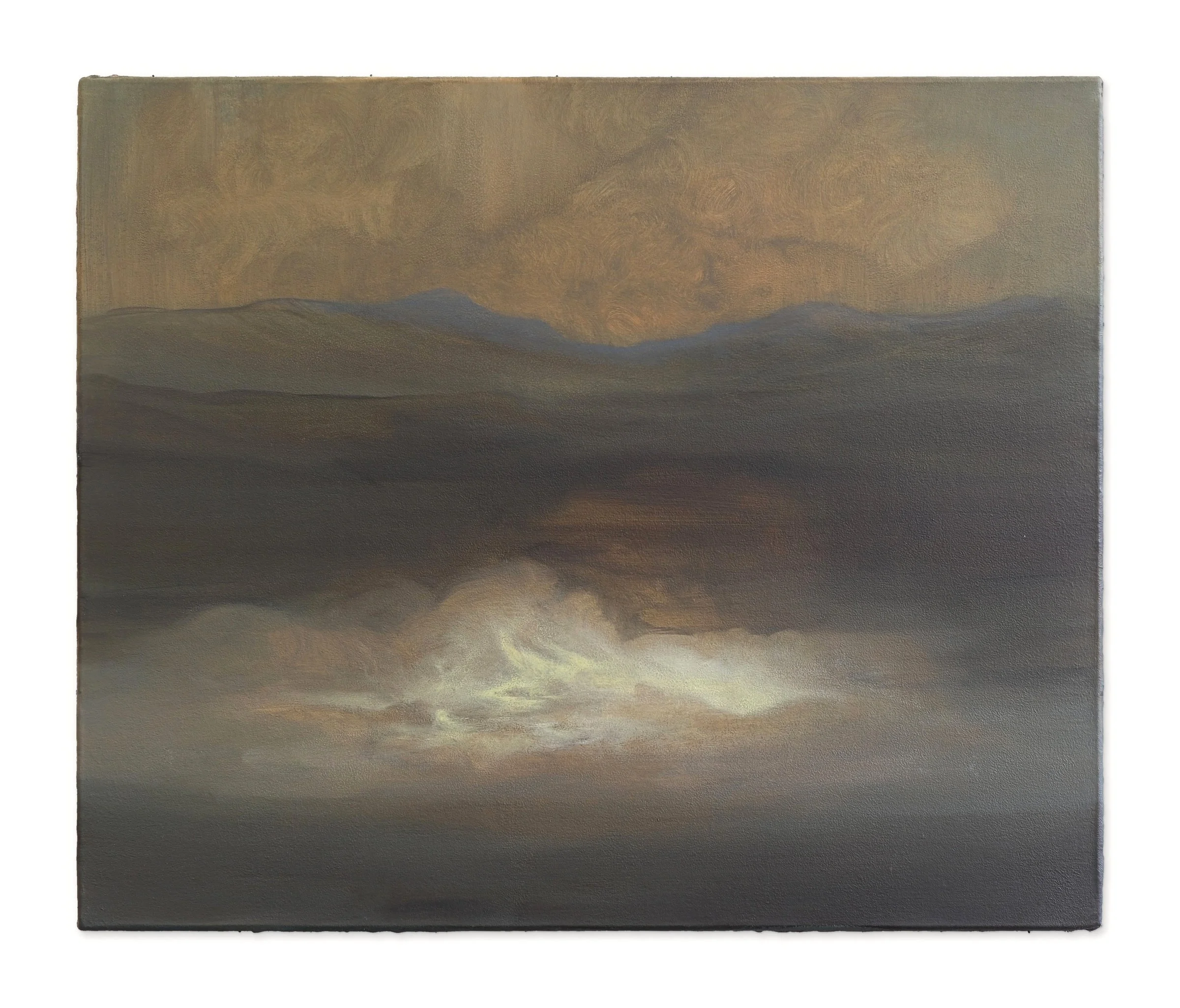
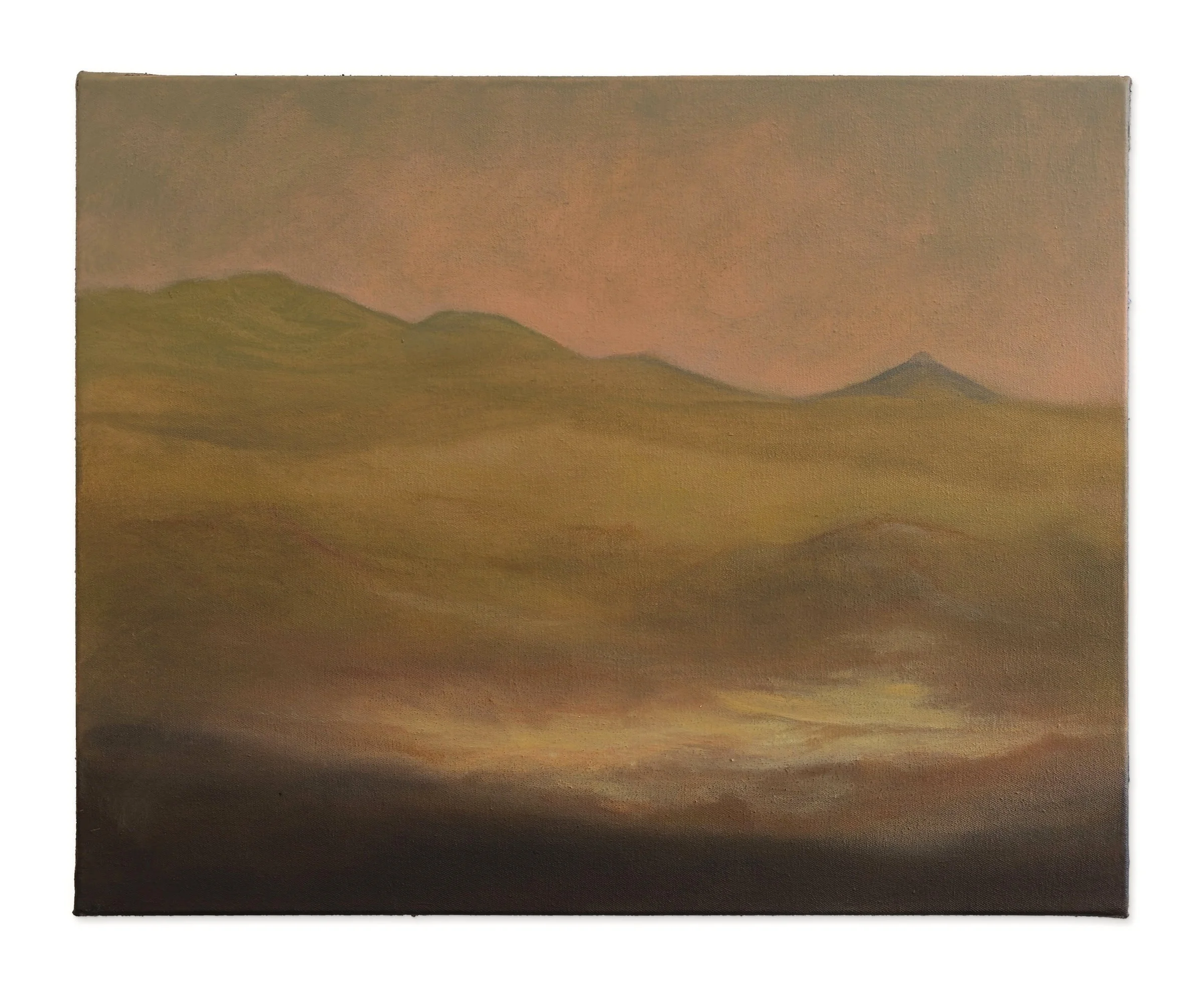
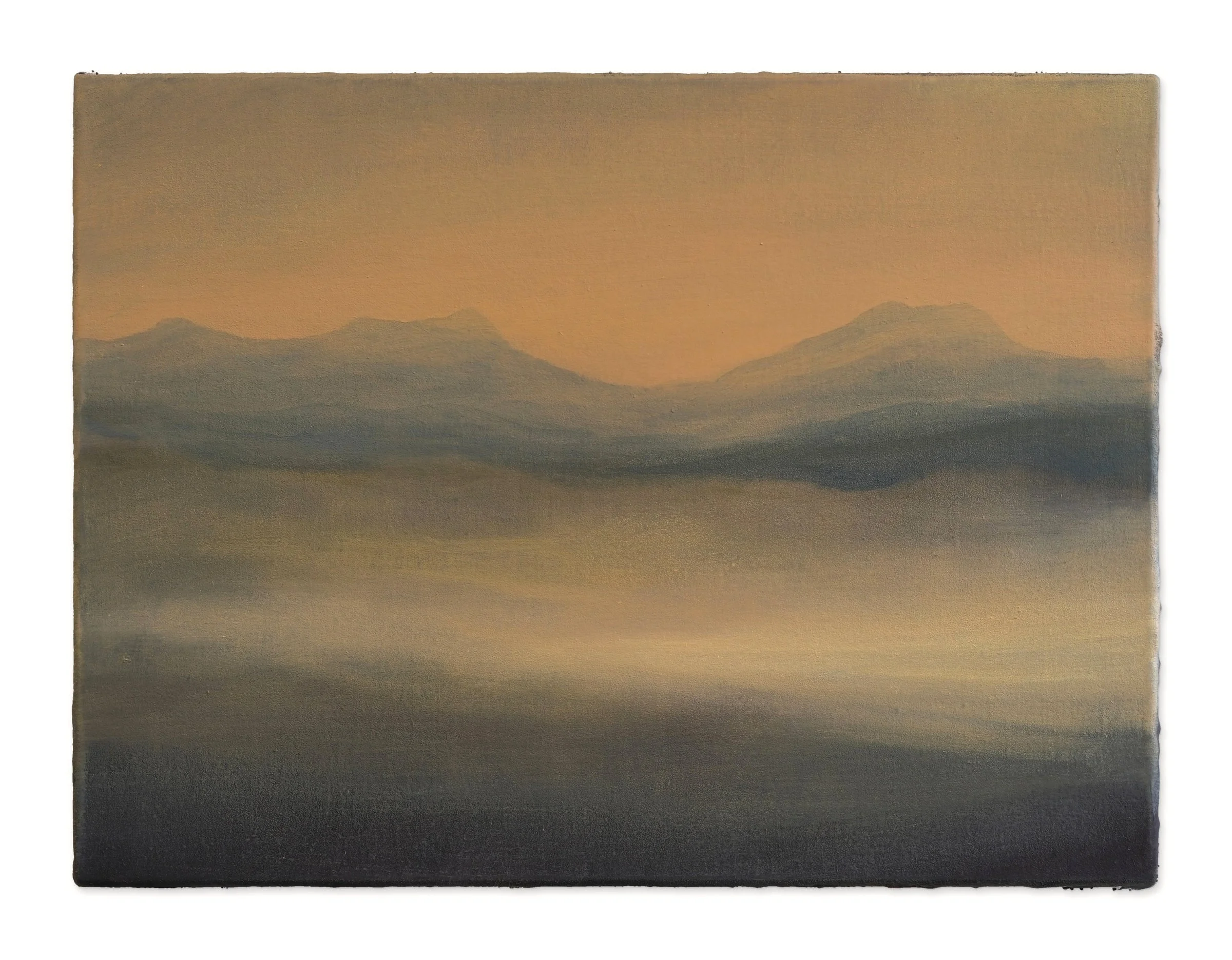
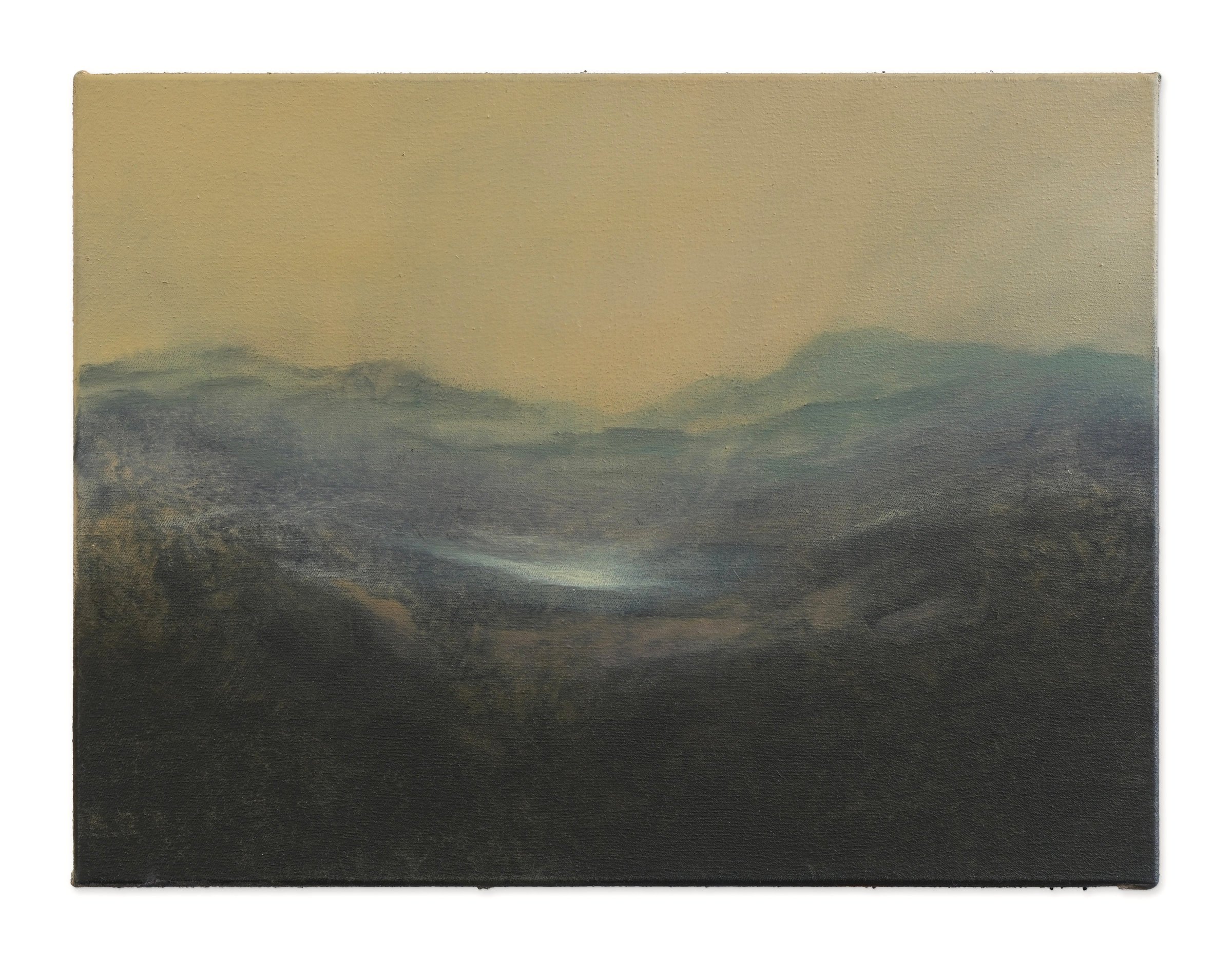
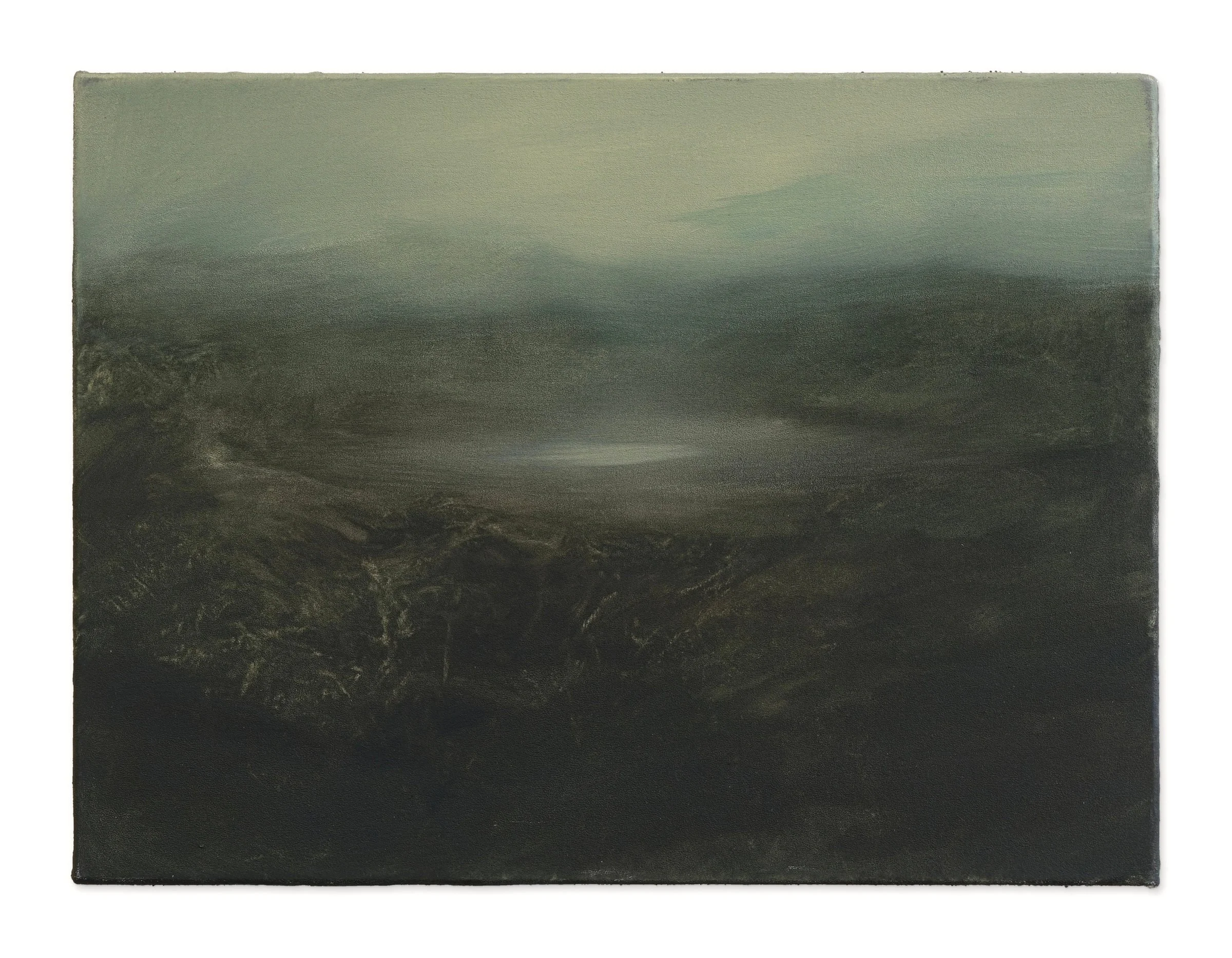
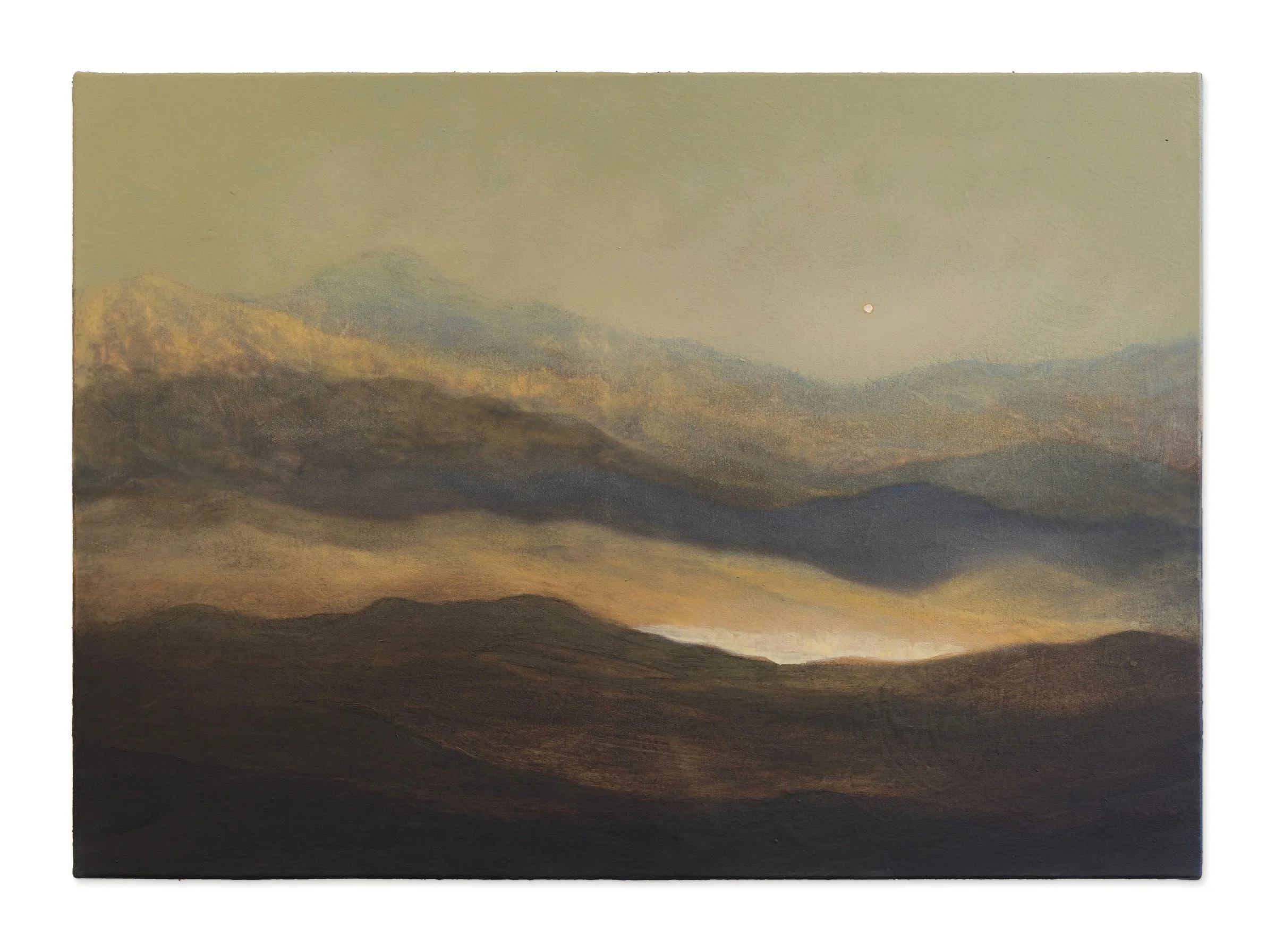
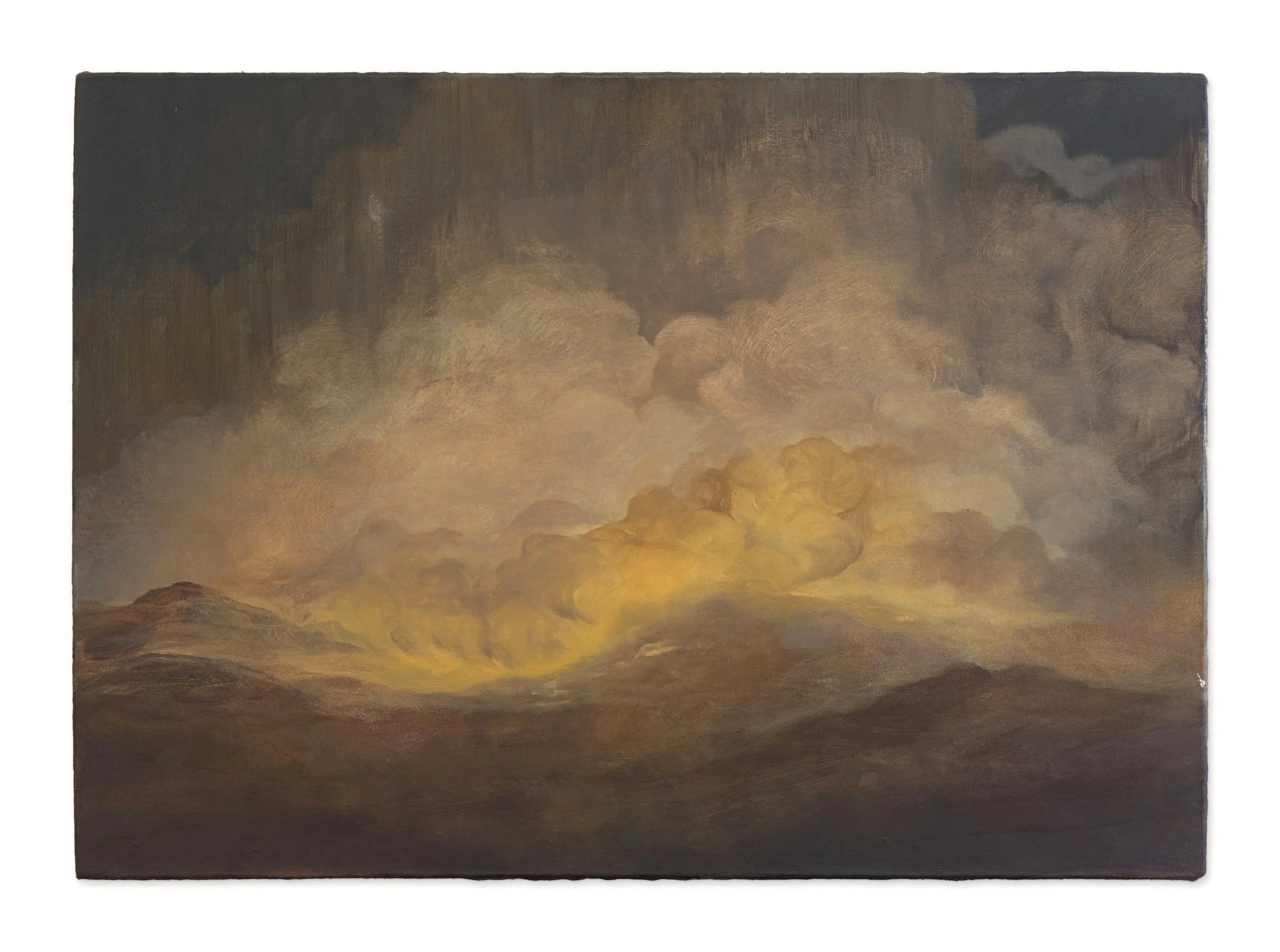
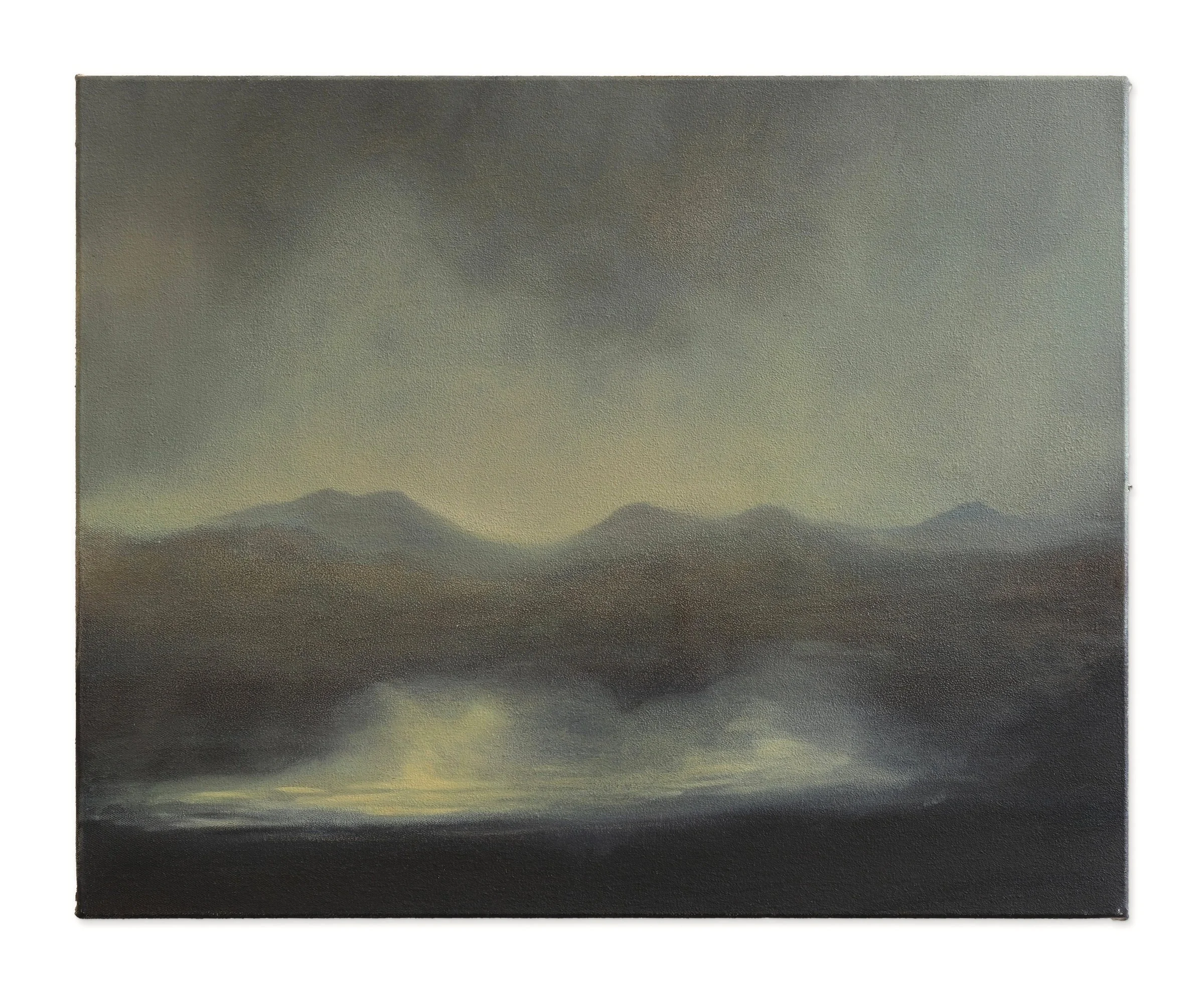
Kaspar Flück’s landscapes emerge from an intuitive and imaginative painting process, without the use of reference images, preliminary sketches, or predetermined compositions. Rather than depicting actual places, they gradually evolve into spaces suspended between memory, imagination, and physical presence. Landscape becomes the starting point for a sensory experience, where depth, vastness, and atmosphere take the place of linear narrative.
Flück works with oil on canvas, often developing several paintings simultaneously. Without a fixed image in mind, he responds to what emerges throughout the painting process. Layers are built up, transitions softly blended, forms condensed or dissolved. The particular qualities of oil paint, its slow drying time and its capacity for almost imperceptible transitions, are fundamental to the appearance of his work. Equally significant is the moment of knowing when to stop: a painting reaches completion not through the fulfilment of an initial plan, but when a sense of equilibrium emerges within the process itself.
Within these landscapes, different states of matter converge. Rock formations and dark surfaces convey weight and material density, while mist, light, and spectral forms permeate their solidity. Hardness encounters softness, the corporeal meets the ephemeral, darkness meets light. The landscape thus appears both present and on the verge of dissolving.